
Where clinical research professionals actually work.
Clinical research runs across a handful of broad settings, and each asks for a different mix of capability. This page explains what each organization type does, the roles inside it, and how to prepare for or advance within it.


Academic medical centers
An academic medical center is a hospital or health system tied to a medical school, where patient care, teaching and research run alongside each other. Its research office typically supports investigator-initiated studies as well as trials sponsored by industry or funded by public bodies, across many therapeutic areas at once.
Role in clinical development
Academic centers are where a large share of trials actually meet participants. Study teams recruit and consent participants, deliver protocol-defined visits, record source data, manage investigational product at the site, and report safety events to the sponsor and to the reviewing ethics committee or institutional review board.
Common roles
- Clinical Research Coordinator
- Lead or senior study coordinator
- Research nurse
- Regulatory coordinator
- Clinical research manager or research operations manager
How to prepare and advance
- Learn ICH GCP and how it applies to day-to-day site work, not only as a certificate.
- Practice informed consent conversations and the documentation that follows them.
- Get comfortable with source documentation and ALCOA principles before you are audited on them.
- Understand how deviations and safety events are recognized, escalated and recorded on time.
How BORAKA supports this
BORAKA Academy builds the role knowledge, Labs casebooks put it under realistic site pressure, and reviewed assessment records which capability domains you have actually demonstrated.
Global CROs
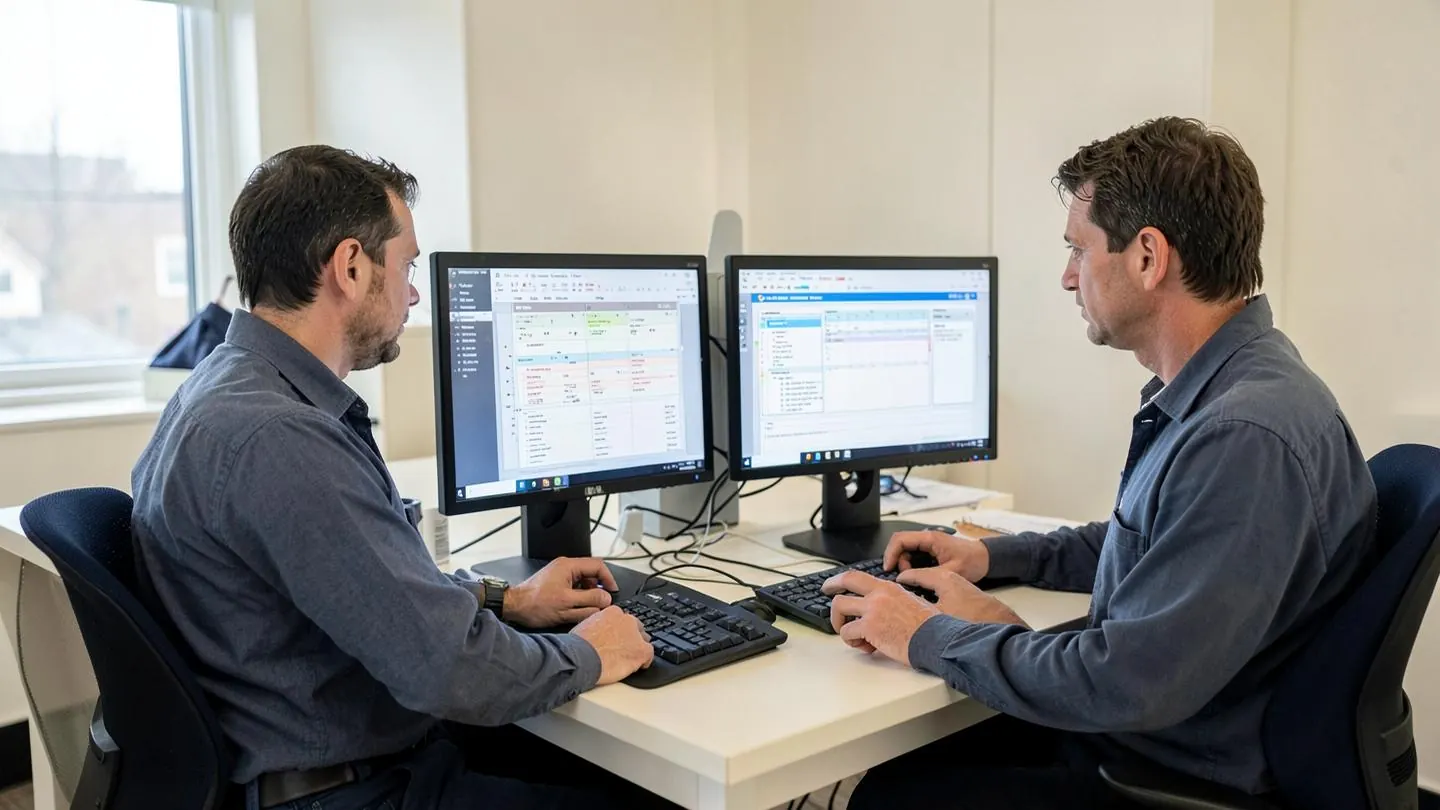
A contract research organization is a service company that sponsors hire to run some or all of a clinical trial: site selection and start-up, monitoring, data management, safety reporting, statistics and submission support. Large CROs operate across countries and therapeutic areas, and often provide staff who work embedded in a sponsor's team.
Role in clinical development
CROs carry much of the operational load of drug development. Monitors verify that sites are running the protocol correctly and that reported data is supported by source records; project managers hold timelines, budgets and vendor coordination; data and safety teams keep the trial's data and reporting defensible.
Common roles
- Clinical Research Associate (monitor)
- Senior or lead CRA
- In-house or centralised monitor
- Clinical trial assistant
- Clinical project manager
How to prepare and advance
- Build monitoring fundamentals: source data verification, essential documents and issue escalation.
- Learn how a monitoring visit report is written and why its wording matters later.
- Practice reading a protocol closely enough to spot when site behavior diverges from it.
- Develop the written communication a remote, traveling role depends on.
How BORAKA supports this
Monitoring-focused learning plus casebooks that ask you to make and defend a monitoring judgment, reviewed against a published rubric.

Biotechnology companies
Biotechnology companies develop new therapies, often around a single platform or a small portfolio. Many are small enough that a clinical operations team is a handful of people, with CROs and specialist vendors covering the rest. Roles are broader than in a large organization, and the same person may touch start-up, oversight and vendor management.
Role in clinical development
Biotechs originate much of the early-phase pipeline. Their teams design and oversee first-in-human and early efficacy studies, select and manage the CROs delivering them, and prepare the evidence packages that support later development or partnership.
Common roles
- Clinical trial manager
- Clinical operations associate or manager
- Study start-up specialist
- Vendor or CRO oversight lead
- Director of clinical operations in a small team
How to prepare and advance
- Learn what sponsor oversight of a CRO actually requires in practice.
- Understand trial master file expectations and why completeness is judged retrospectively.
- Build judgment on risk: what to escalate early in a small team with no spare capacity.
- Get fluent in cross-functional communication with regulatory, medical and quality colleagues.
How BORAKA supports this
Capability domains mapped to sponsor-side oversight work, with practice and reviewed assessment that show judgment rather than tenure.

Large pharmaceutical sponsors
Large pharmaceutical companies run development programs across many trials, countries and therapeutic areas at once. Work is specialized: study management, clinical science, data management, pharmacovigilance, regulatory affairs and quality assurance each own a defined part of the program, inside a formal governance structure.
Role in clinical development
Sponsors hold accountability for the trial. They design the program, select and oversee vendors, hold the safety reporting obligations, and assemble the evidence submitted to regulators. Depth in one area, plus the ability to work inside documented processes, matters more here than breadth.
Common roles
- Study manager or clinical trial manager
- Clinical scientist
- Pharmacovigilance associate
- Quality assurance or GCP compliance specialist
- Program or portfolio lead
How to prepare and advance
- Learn the regulatory framework behind the process you will be asked to follow.
- Practice the documentation standard that inspection-readiness assumes.
- Develop specialization: pick a domain and demonstrate depth in it.
- Be able to evidence how you handled ambiguity, not only that you have years in the field.
How BORAKA supports this
Structured capability development for professionals moving from site or CRO work into sponsor-side roles, with a reviewed record of the domains demonstrated.

Research sites and site networks
A dedicated research site exists to conduct clinical trials rather than to deliver routine care alongside them. Site networks group several locations under shared operations, so start-up, quality systems, recruitment and staffing are coordinated centrally while each location runs its own participant visits.
Role in clinical development
Sites are where the protocol meets the participant. Teams screen and consent, deliver visits on schedule, keep source records that will later be verified, handle investigational product, and report deviations and safety events within defined timelines.
Common roles
- Clinical Research Coordinator
- Site manager or site director
- Recruitment specialist
- Regulatory or quality coordinator
- Study or research nurse
How to prepare and advance
- Learn visit conduct in detail: windows, procedures, and what happens when a visit slips.
- Practice source documentation that reads correctly to someone who was not there.
- Understand recruitment and retention pressures without letting them bend the protocol.
- Know the escalation route for a deviation before you need it.
How BORAKA supports this
Coordinator-focused Academy learning plus casebooks that put visit conduct and documentation under realistic time pressure, with reviewed assessment of what you demonstrated.
Vendors and specialist providers
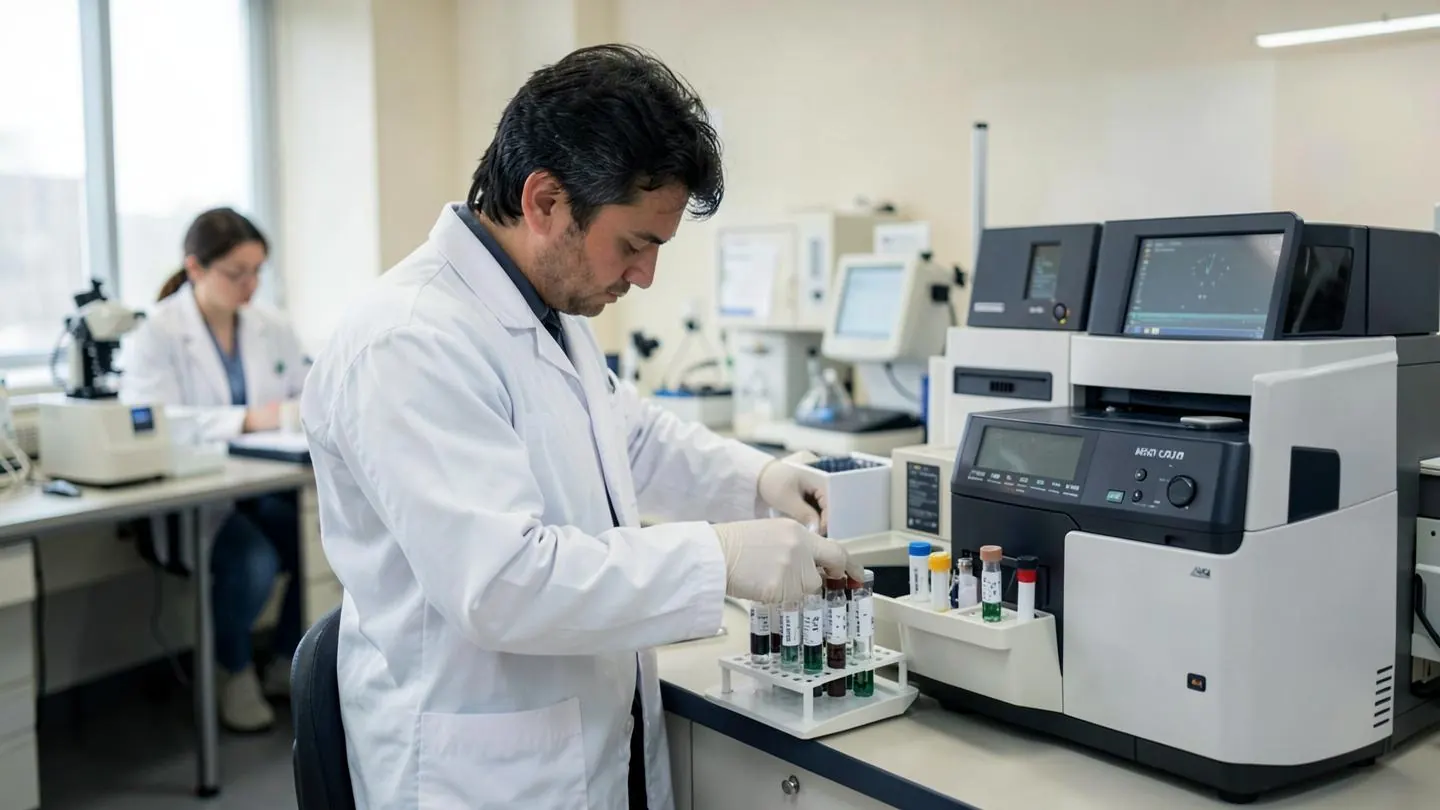
Specialist providers deliver a defined part of a trial: central laboratory analysis, imaging, electronic data capture and other technology platforms, safety case processing, or the logistics that move samples and supplies. Sponsors and CROs contract them against service levels and specifications.
Role in clinical development
Vendors carry work that has to be identical across every site and country in a study. Their teams build and validate systems, process and quality-check throughput, and produce the documentation that later has to hold up to inspection.
Common roles
- Clinical data manager or EDC specialist
- Central laboratory or sample management coordinator
- Pharmacovigilance case processor
- Quality or validation specialist
- Project manager for a service line
How to prepare and advance
- Get precise about specifications: most vendor work is judged against a written standard.
- Learn how validation and change control apply to the system or service you support.
- Practice defensible documentation, since your output is evidence for someone else's audit.
- Understand where your service sits in the wider study so you can spot downstream impact.
How BORAKA supports this
Data, safety and quality capability domains developed through Academy and practiced in casebooks, with a reviewed record of the judgment shown.
Capability hidden by the resume
Your background probably reaches further than your file suggests.
Three anonymized composite pathways, drawn from patterns we see repeatedly. Read what a screen sees, what the person could already do, and what made that visible.

Internationally trained physician
A physician trained in India who has decided not to pursue US clinical licensure or the USMLE route, and is looking for a non-physician pathway into clinical research. That decision is a career choice about direction, not a comment on the licensure route, which remains the right path for people who intend to practice medicine.
What the resume screen reads
- A medical degree from an institution the screener does not recognize.
- No US employer names, and no clinical research job titles.
- An apparent career change, read as a gap rather than a transfer.
Capability that may be hidden
- Protocol comprehension and clinical reasoning under an unfamiliar case.
- Informed consent conversations with anxious patients and families.
- Recognizing, grading and escalating an adverse event.
- Working inside documentation and regulatory expectations already.
Evidence to build
- A reviewed protocol interpretation casebook.
- A safety and deviation reporting exercise scored against a published rubric.
- A source documentation exercise showing contemporaneous, attributable records.
A realistic next pathway
Coordinator, safety, medical writing or study start-up roles are the routes most often discussed with this background. Which of them is realistic depends on the employer and the market the person is applying into.
Internationally trained pharmacist
A pharmacist trained in Kenya who wants to translate medication and healthcare knowledge into clinical research capability rather than repeat a general introductory course.
What the resume screen reads
- A pharmacy qualification and employers outside the reviewer's market.
- Dispensing and community or hospital pharmacy language, not trial language.
- No GCP-titled role, so keyword screening scores the file low.
Capability that may be hidden
- Investigational product handling, accountability and storage discipline.
- Drug interaction and concomitant medication judgment.
- Counselling and adherence conversations that mirror participant contact.
- Working to standard operating procedures and controlled records.
Evidence to build
- An investigational product handling and accountability exercise.
- A GCP knowledge assessment with a dated, reviewed result.
- A participant visit conduct casebook covering concomitant medication capture.
A realistic next pathway
Site pharmacy support, coordinator and study start-up work are common adjacent routes. Any role that touches dispensing may still carry its own licensure requirements, which BORAKA does not assess.
Site professional without the title
A coordinator or site professional with participant care, site operations, investigator relationships and documentation experience, screened out of monitoring roles because the resume does not carry a CRA title.
What the resume screen reads
- A coordinator title, filtered out by a requisition asking for CRA experience.
- Site employer names rather than sponsor or CRO names.
- Tenure counted in years rather than in the decisions actually made.
Capability that may be hidden
- Reading source against the protocol, from the side that creates the source.
- Query resolution and data integrity habits under real timelines.
- Investigator and site staff relationships, including difficult conversations.
- Deviation recognition and escalation judgment in live studies.
Evidence to build
- A site monitoring simulation reviewed against the same rubric used for titled applicants.
- A protocol deviation casebook showing identification, assessment and response.
- A data quality and query exercise with a dated review record.
A realistic next pathway
Monitoring, in-house CRA, quality and site management routes are the usual conversations here. Evidence gives the hiring team something to read besides the title on the file.
Supported professionals now work across the industry.
Site coordinators, monitors, project managers and directors, working in academic medical centers, global CROs, biotech and large pharmaceutical sponsors. Open a category to see what the work involves and how to prepare for it.
















Employer destinations of graduates of our programs. Logos indicate where graduates have been employed and imply no partnership, endorsement, client relationship or affiliation.
- Professionals supported through clinical research training, career coaching, and managed job-search services.
- SupportedProfessionals supported through clinical research training, career coaching, and managed job-search services.No numerical placement total is published
- In clinical research
- 15 yrsIn clinical researchSite, CRO and sponsor side
- Employer categories
- 4Employer categoriesSites, CROs, biotech, pharma
- Graduate destinations
- 19Graduate destinationsEmployers shown in the row above
- Reported by the professional
- A placement is recorded when the person tells us they accepted a role.
- Confirmed before counting
- We count it once the role, employer and start are confirmed with them directly.
- Counted once
- One person, one placement. Later moves are not added to the total.
- Category, not endorsement
- Employer type is taken from the employer itself. No partnership is implied.
We publish no placement rate, salary figure or time-to-hire claim, because we cannot confirm those for every professional we have supported.
For employers
Hiring or developing a clinical research team?
Assess readiness against defined criteria before you hire, or close capability gaps in the team you already have.

Not sure which setting fits you?
The two-minute diagnostic maps your background against the capability a target role requires, and tells you where the gaps are.
Take the two-minute diagnostic